跳到內文
  1. Blog
  2. Files

FilesSecurityEncryptionWindows

Why AES-256 Encryption Cannot Be Brute-Forced — and the Real Weak Point in Practice

Why 2^256 key space makes brute-forcing BitLocker or VeraCrypt AES-256 physically impossible even with supercomputers or Grover’s quantum bound — and why weak passphrases and unlocked RAM are the real failure modes.

Written by the site’s operator1 min read

You often hear that not even state supercomputers can brute-force AES-256 in BitLocker or VeraCrypt. Mathematically that is true — yet encrypted drives still get breached for three very human reasons.

When evaluating Windows BitLocker or open-source VeraCrypt, the headline claim is always the same: brute-forcing AES-256 is physically impossible. Understanding why the cipher holds up — and where real-world compromises actually happen — keeps your security efforts focused on what matters.

1. Why 256-bit key space defeats brute force

AES-256 has 2^256 (roughly 10^77) possible keys — approaching the estimated number of atoms in the observable universe (~10^80). Even theoretical quantum speedups via Grover’s algorithm only halve the effective security exponent to 2^128 operations, which remains astronomically beyond physical energy limits.

2. The three real-world holes attackers actually exploit

  1. Low-entropy human passwords: Wrapping a 256-bit cipher behind an 8-character word or birthdate lets attackers skip the 2^256 keyspace and run targeted dictionary attacks in hours.
  2. Live memory and unlocked sessions: While your OS is running and unlocked, decrypted keys reside in RAM — leaving malware or sleep-mode capture direct access.
  3. Unencrypted backups and synced copies: Encrypting drive C: does little if cloud sync folders or external USB backups store plaintext duplicates.

Stick to audited standards (BitLocker, FileVault, LUKS, VeraCrypt) and pair them with a high-entropy random passphrase — you can generate one locally without network calls using our Password Generator.
Tools for this article

Share this article
Share on X

Read next

Files

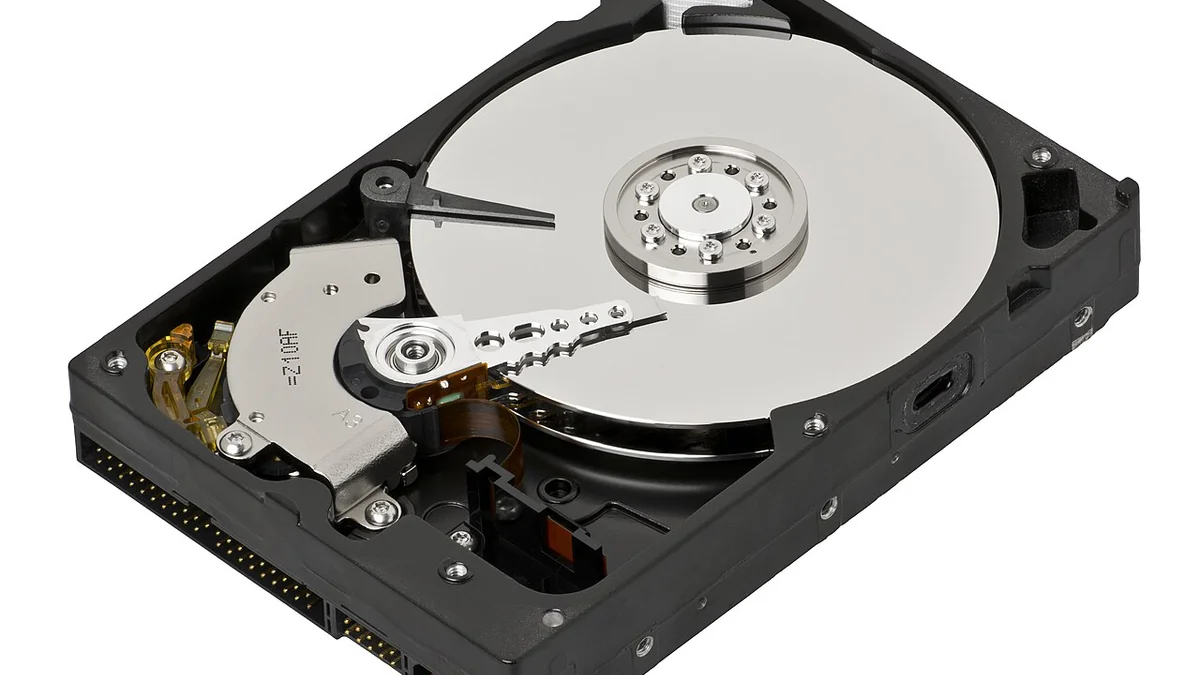
HDDを手放す前に:クイックフォーマットでは消えない理由と、diskpart / ddでの完全消去

不要になったHDDや中古PCを売ったり廃棄したりする前に必要な、データ復元ソフトでも戻せない完全消去の方法。 Windows標準の「diskpart clean all」と、Linux/TrueNAS環境での「dd」コマンドの手順と注意点をまとめました。

#ストレージ#セキュリティ
Network

技術的な難易度は攻撃側の方が高そうなのに、なぜセキュリティは「攻撃側が有利」と言われるのか

システムを破るハッキングには高度な知識が要りそうなのに、なぜセキュリティの世界では「攻撃側が圧倒的に有利」と言われるのか。 パズルのたとえと自動化コストの視点から「攻撃と防御の非対称性」を整理しました。

#セキュリティ#ネットワーク
Network

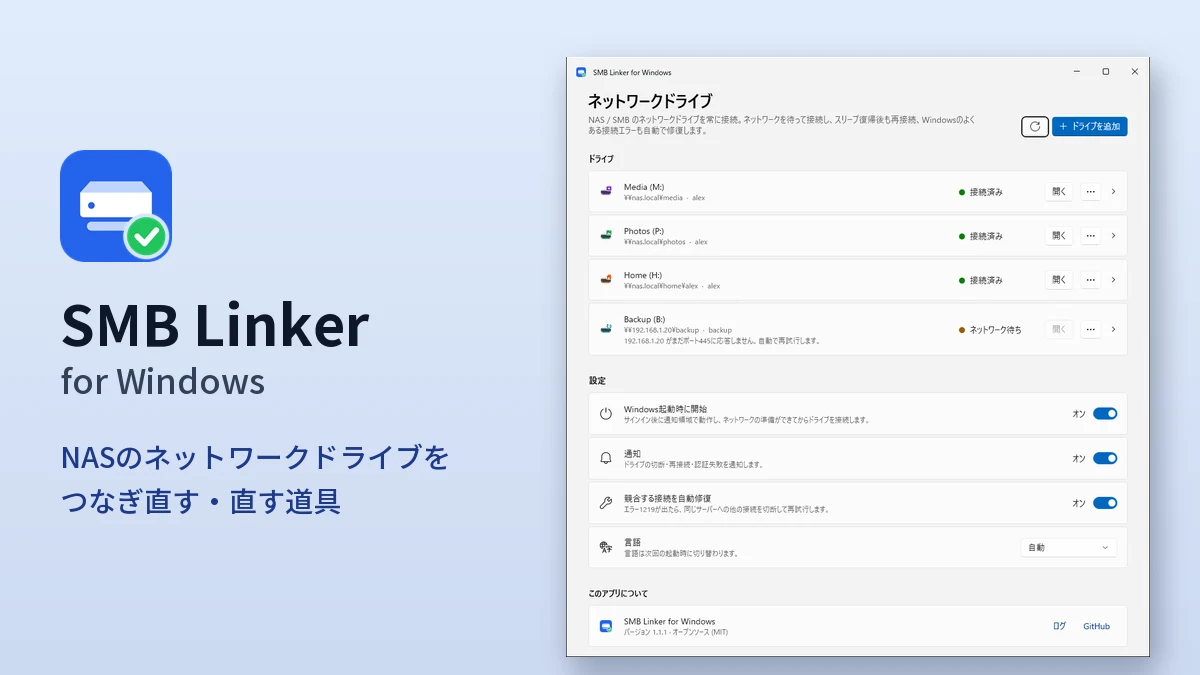
再起動するとNASのドライブが切れる、エラー1219が出る。Windowsのネットワークドライブの困りごとと SMB Linker

Windowsの再起動後にNASのネットワークドライブに赤いバツが付く、スリープ復帰で切れる、正しいパスワードなのにエラー1219が出る。 よくある3つの原因と、確かめるコマンド、接続を待ってからつなぎ直す無料ツール「SMB Linker for Windows」の紹介。

#自宅サーバー#NAS
Other

日本語入力にもローカルAIを。前の文を読んで変換する無料IME「Asteria」

前の文の流れをAIが読んで変換候補を選ぶ、Windows向けの無料の日本語IME「Asteria」の紹介。AIは自分のPCの中で動き、 APIキーも月額料金も要らず、入力した文章を外へ送らない。Google日本語入力との比較、仕組み、必要なPC環境まで。

#ソフトウェア#ローカルAI
PC & Local AI

月100円VPNの現実と、iOSショートカット「Brave終了時にVPN切断」の限界

月額100円級の格安VPNのリスクを整理したうえで、iPhoneのショートカットでBrave起動時にVPN接続・終了時に切断しつつ、OS制約で常駐監視できない部分を通知で補う設計。

#VPN#iOS
Files

W3C WebCodecs (Nov 2026 Draft) and the Codec Registry: Where Browser-Only Audio & Video Conversion Hits Its Limits

How the November 19, 2026 W3C WebCodecs Working Draft separates core APIs from the Codec Registry (Opus, AAC mp4a.40.2, Linear PCM) — and why muxing and AudioSpecificConfig still make local conversion tricky.

#Web Standards#WebCodecs

All articles