Put a vocal recorded at home over a backing track and it sounds like it is right next to your ear. The band is on a stage; the voice is in a different room.
Matching that room is the job of reverb. In one line: it adds, after the fact, the sound of a space reflecting what you played into it.
What reverb does
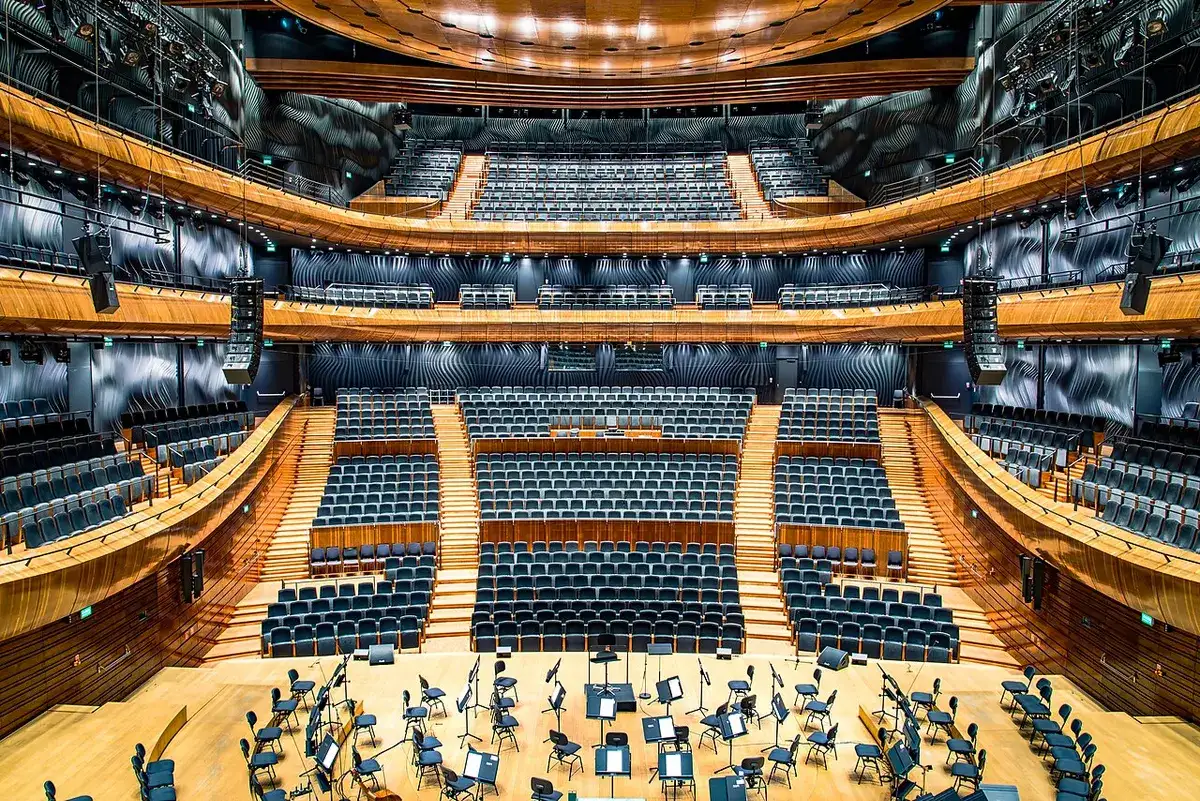
Clap in a room and the clap itself (the direct sound) reaches you first. A moment later come hundreds, then thousands, of reflections from the walls and ceiling. Each one is a little quieter than the last, until they fade out.
Reverb builds that wash of reflections, by calculation or from a recording, and adds it to the original. The more of it there is, the further away and the bigger the space a sound seems to be in.
The main controls
| Control | What it sets | Turn it up and |
|---|---|---|
| Decay (reverb time) | How long the reverb takes to die away | the space sounds larger |
| Pre-delay | The gap between the direct sound and the reverb | the voice keeps its edge up front |
| Size | The size of the imagined room | density and spread change |
| Damping / high cut | How fast the bright part of the reverb fades | the reverb gets darker and less obvious |
| Mix (dry/wet) | The balance of original and reverb | the sound moves further back |
Types of reverb
- Room: a smallish room. Short and natural. For vocals or drums that should sound like they are right there.
- Hall: a concert hall. Long and wide. Ballads, slower songs.
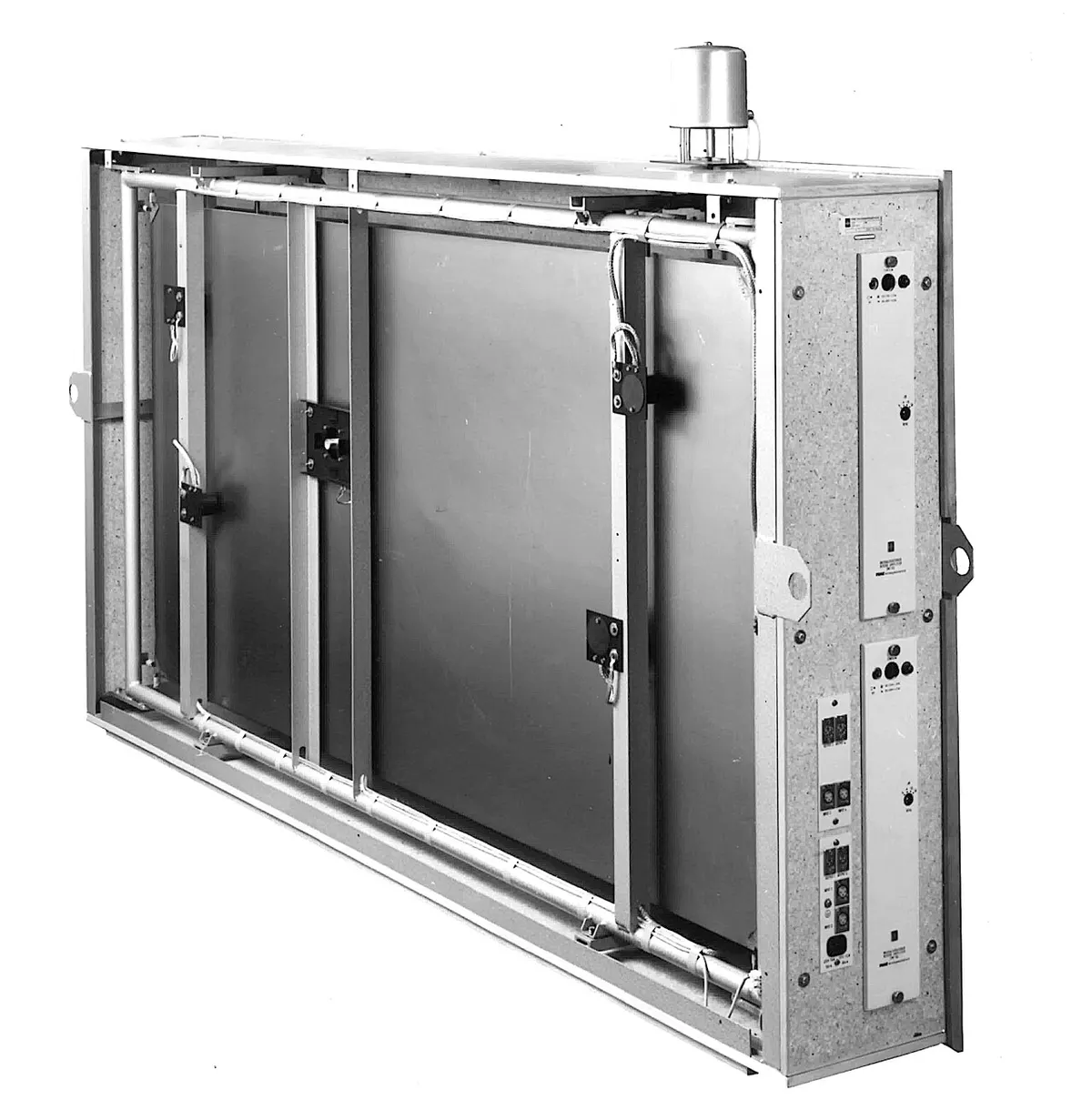
- Plate: modelled on a unit that vibrates a sheet of metal. Bright and dense. A vocal classic.
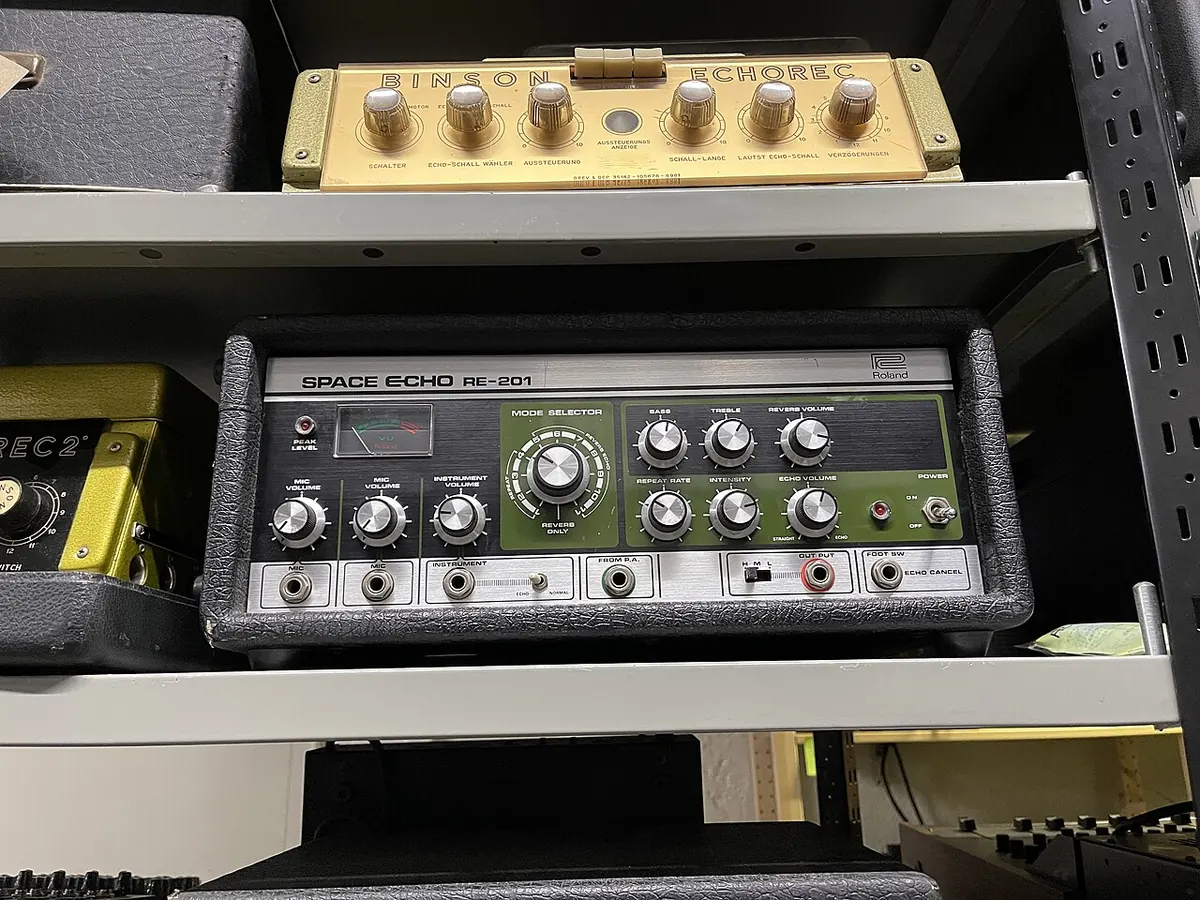
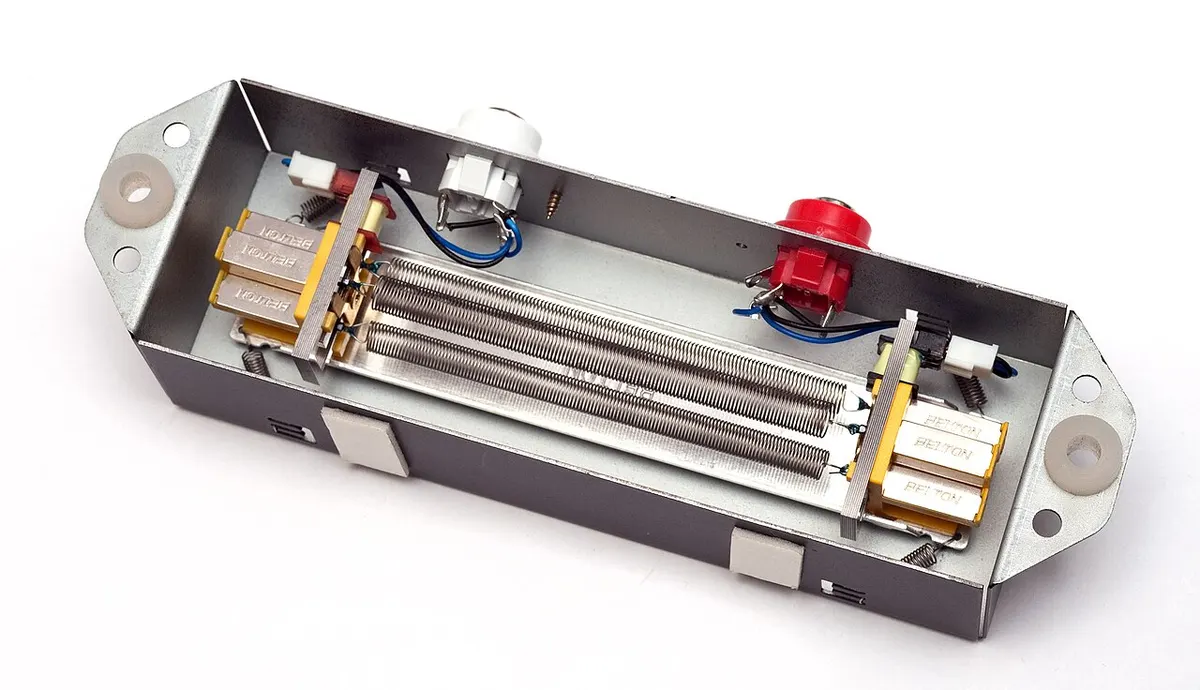
- Spring: modelled on a unit that uses springs. The boingy reverb built into guitar amps.
- Convolution: lays a recording of a real space or device (an impulse response) over the sound. Its strength is realism.
Use it on a send, not on the track
In a mix, rather than putting reverb straight on the vocal track, the usual approach is to put the reverb on its own track (a send/return, or aux) and send the vocal to it.
- Set the reverb to 100% wet and control the amount with the send level.
- Send several parts to one reverb and they all sound like they are in the same room.
- You can EQ the reverb alone. Cutting the lows (below roughly 200–500 Hz) keeps the reverb from clouding the mix.
Blending a cover vocal into a backing track
Most published off-vocal tracks already have the instruments’ reverb baked in. Listen closely first and match the voice to the room the band seems to be in. That is the shortest route.
| Control | Starting point |
|---|---|
| Type | Plate or room |
| Decay | 0.8–1.2 s for faster songs, 1.5–2.5 s for slower ones |
| Pre-delay | 20–40 ms (longer if words blur) |
| EQ on the return | Cut the lows, and take a little off the very top |
| Send level | Just enough that switching it off feels a little empty |
Set on headphones alone, reverb tends to end up too heavy. Check on a phone speaker too, and make sure every word is still clear.
Signs of too much
- Words lose their edges. Too much reverb, or too little pre-delay.
- The low end gets foggy. Cut the lows on the return.
- The voice sounds far away. Send less, or shorten the decay.
- S sounds hiss on in the tail. Lower the top of the return, or de-ess before the send.
Summary
- Reverb adds reflections, giving a sound a place and depth.
- It comes down to length (decay), gap (pre-delay), brightness (high cut) and amount (send).
- Use it on a send, and cut the lows on the return.
- For covers, match the voice’s room to the backing track’s.
Evening out level is the compressor’s job, and shaping tone is EQ’s. The whole workflow is in where to start.